
For decades, the standard lipid panel blood test has been the go-to for assessing heart disease risk. It’s a valuable starting point, but it provides an incomplete picture. Your total cholesterol number doesn’t tell the whole story, and even your LDL level can be misleading without more context.
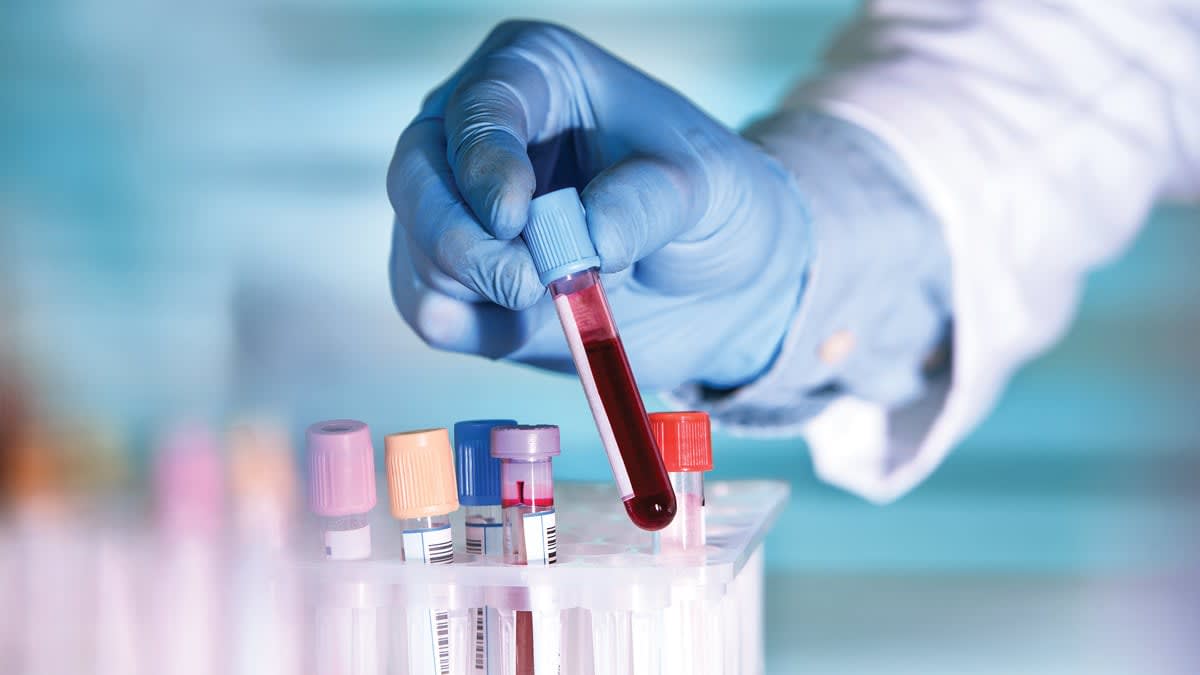
A lipid panel is a fundamental blood test that measures the amount of fats, or lipids, in your bloodstream. Think of it as a snapshot of your cardiovascular health. This test is crucial because high levels of certain lipids can lead to fatty deposits building up in your arteries, a condition known as atherosclerosis. Over time, this can increase your risk for heart disease and stroke. Understanding your lipid profile is a proactive step toward managing your long-term health. A standard panel gives you four key measurements: total cholesterol, LDL cholesterol, HDL cholesterol, and triglycerides. Let's break down what each of these means for you.
Your total cholesterol number is the sum of all the cholesterol in your blood. It’s a broad, top-level indicator of your heart health. While it provides a general overview, this number doesn’t tell the whole story on its own. It’s a combination of different types of cholesterol, including both the "good" and "bad" kinds. A high total cholesterol number might signal a need to look closer, but it’s the breakdown of that number that gives you actionable insights. Consider it the headline of your heart health story; the details that follow are what truly matter for understanding your personal risk.
Low-density lipoprotein, or LDL, is often called "bad cholesterol," and for good reason. When you have too much LDL in your blood, it can stick to the walls of your arteries, contributing to the buildup of plaque. This plaque narrows your arteries, making it harder for blood to flow through. High LDL levels are a significant risk factor for heart disease and stroke. A standard lipid panel will measure your LDL cholesterol, giving you a clear idea of whether you need to make lifestyle changes to bring this number down and protect your arteries from damage.
On the flip side, we have high-density lipoprotein, or HDL, known as "good cholesterol." HDL acts like a cleanup crew for your cardiovascular system. It travels through your bloodstream, collects excess LDL cholesterol, and carries it back to your liver to be removed from your body. Having higher levels of HDL is protective against heart disease. Unlike LDL, where lower is better, with HDL, you want to see a higher number. It’s a key player in maintaining a healthy balance of fats in your blood and keeping your arteries clear.
Triglycerides are another type of fat found in your blood that your body uses for energy. While you need them, high levels can be problematic. Excess calories, particularly from sugar and alcohol, are converted into triglycerides and stored in your fat cells. Consistently high triglyceride levels can contribute to the hardening of your arteries, increasing your risk for heart disease, heart attack, and stroke. This measurement is an important part of understanding your lipid panel and your overall metabolic health, as it’s often linked to other conditions like type 2 diabetes and metabolic syndrome.